Transforming a small living room into a functional and stylish haven is achievable with careful planning and creative design choices. This guide explores practical strategies for maximizing space, selecting appropriate furniture, and implementing effective color and lighting schemes. We’ll delve into the art of incorporating multi-functional pieces and minimizing clutter to create a living space that’s both aesthetically pleasing and highly efficient.
From understanding the unique challenges of small spaces to implementing space-saving solutions and utilizing clever storage ideas, we provide a comprehensive approach to designing a small living room that feels both spacious and inviting. We will examine various design principles, showcasing practical examples and offering insightful tips to help you create your ideal small but functional living area.
Defining “Small Functional Living Room”
A small functional living room is a space that maximizes its limited square footage to provide comfort and utility. It prioritizes efficient use of space and thoughtful design choices over sheer size, ensuring that every element contributes to the overall functionality and aesthetic appeal of the room. The key is to create a welcoming and comfortable atmosphere without feeling cramped or cluttered.A small functional living room achieves its purpose through careful planning and selection of furniture and decor.
It’s about clever storage solutions, multi-purpose furniture, and a mindful approach to color and lighting to enhance the sense of spaciousness. The challenge lies in balancing form and function within a compact space.
Space-Saving Furniture for Small Living Rooms
Choosing the right furniture is crucial in a small living room. Opting for pieces designed for compact spaces allows for greater flexibility and maximizes usable floor area. Oversized furniture can overwhelm a small room, making it feel smaller than it is.
- Sofa Beds: These versatile pieces serve as both seating and sleeping arrangements, ideal for smaller spaces needing occasional guest accommodation. Imagine a sleek, modern sofa bed with built-in storage underneath to hold extra blankets or pillows.
- Ottoman with Storage: An ottoman provides extra seating while simultaneously offering hidden storage for blankets, games, or remotes. Picture a stylish, upholstered ottoman with a lift-top revealing ample storage space.
- Nesting Tables: These tables can be tucked away when not needed, freeing up floor space. Envision a set of three nesting tables, each a slightly different size, made of light-colored wood to create a sense of airiness.
- Wall-Mounted Shelving: This maximizes vertical space, keeping items organized and off the floor. Imagine sleek, floating shelves in a dark wood finish, showcasing books, plants, and decorative objects.
- Foldable Chairs: These can be easily stored when not in use, offering extra seating when needed. Think of two simple, yet stylish folding chairs, perhaps in a vibrant color, that can be quickly folded and put away.
Challenges and Solutions in Designing Functional Small Living Rooms
Designing a small, functional living room presents unique challenges. The primary concern is often the limited space available. However, with careful planning, these challenges can be effectively addressed.
- Limited Space: The solution lies in choosing multi-functional furniture, as described above, and maximizing vertical space through shelving and wall-mounted units. Clever use of mirrors can also create the illusion of more space.
- Storage Limitations: Incorporating built-in storage solutions, such as under-stair storage or custom-built shelving, can dramatically increase storage capacity. Utilizing vertical space with tall, narrow storage units is another effective strategy.
- Maintaining a Sense of Spaciousness: Light, airy colors on the walls and floors help to create a sense of openness. Keeping the color palette simple and avoiding clutter are also essential. Large windows, if available, should be kept unobscured to maximize natural light.
- Balancing Functionality and Aesthetics: The key is to choose furniture and decor that are both practical and stylish. A well-designed room can be both functional and aesthetically pleasing, demonstrating that form and function need not be mutually exclusive. For instance, a carefully chosen rug can define the seating area while adding warmth and visual interest.
Maximizing Space and Storage
Creating a functional and comfortable living room in a small space requires clever planning and strategic use of storage solutions. By carefully considering furniture placement, incorporating built-in features, and utilizing vertical space, you can significantly enhance the room’s functionality without compromising on style. This section explores effective techniques for maximizing space and storage in a small living room.
Small Living Room Layout Optimization
Optimizing space involves careful consideration of furniture placement and size. The following table illustrates three different furniture arrangements for a small living room (approximately 12ft x 10ft), demonstrating how different layouts can impact space usage. Note that these are examples, and actual dimensions will vary depending on the specific furniture chosen.
| Arrangement | Sofa (L x W x H) | Coffee Table (L x W x H) | Armchair (L x W x H) | TV Stand (L x W x H) |
|---|---|---|---|---|
| Arrangement 1: Linear | 7ft x 3ft x 2.5ft | 3ft x 2ft x 1.5ft | 3ft x 2.5ft x 2.5ft | 4ft x 2ft x 2ft |
| Arrangement 2: L-Shaped | 5ft x 3ft x 2.5ft (sectional) | 3ft x 2ft x 1.5ft | N/A | 4ft x 2ft x 2ft |
| Arrangement 3: Compact | 6ft x 2.5ft x 2.5ft (loveseat) | 2ft x 2ft x 1.5ft | N/A | 3ft x 1.5ft x 2ft (wall-mounted) |
Incorporating Built-in Storage Solutions
Built-in storage is a game-changer for small living rooms. Custom-designed units seamlessly integrate into the architecture, maximizing storage capacity without visually overwhelming the space. Consider built-in shelving units flanking a fireplace or extending along an entire wall. These can accommodate books, media, decorative items, and even extra blankets or throws. A built-in window seat with storage underneath offers additional seating and hidden storage for off-season clothing or other items.
The key is to design the units to match the room’s style and color scheme for a cohesive look.
Utilizing Vertical Space for Storage and Display
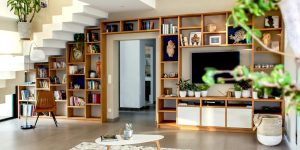
Vertical space is often underutilized in small living rooms. Tall bookshelves reaching the ceiling create a significant storage capacity, while also offering opportunities for displaying artwork, plants, or decorative objects. Floating shelves mounted at different heights add visual interest and provide extra space for displaying items without cluttering the floor. Consider using vertical storage solutions like slim, tall cabinets to store items like linens, games, or extra supplies.
A strategically placed ladder can also provide easy access to higher shelves, adding a unique design element.
Functional Spaces
The principles of efficient space utilization and thoughtful design, so crucial for small living rooms, readily translate to other areas of the home. By adopting a similar mindset of maximizing vertical space, utilizing multi-functional furniture, and carefully selecting storage solutions, homeowners can create functional and comfortable spaces throughout their homes, regardless of size. This approach ensures that every area serves its purpose effectively and contributes to a harmonious living environment.
Applying Functional Design Principles to Other Rooms
Effective space planning isn’t limited to living rooms. The core concepts—maximizing vertical space, strategic storage, and multi-functional furniture—can be applied across all areas of a home. A small kitchen, for instance, can benefit immensely from vertical shelving units to store frequently used items, freeing up valuable counter space. Similarly, a compact bedroom can be transformed with built-in wardrobes that extend to the ceiling, maximizing storage capacity while maintaining a clean aesthetic.
Even bathrooms, often the smallest rooms in a house, can be improved with clever storage solutions like over-the-toilet cabinets and recessed shelving.
Functional Kitchen Design
Small kitchens often present significant storage challenges. To overcome this, consider pull-out pantry systems which maximize the use of cabinet space and allow for easy access to all items. A vertical spice rack on the inside of a cabinet door adds another layer of organization. Using space-saving appliances like a slimline dishwasher or a compact microwave oven frees up valuable counter space, contributing to a more functional and uncluttered workspace.
Furthermore, installing sleek, wall-mounted cabinets extending to the ceiling can significantly boost storage while adding a modern touch.
Functional Bedroom Design
Maximizing space in a small bedroom often involves incorporating furniture that serves multiple purposes. A bed with built-in drawers provides ample storage for bedding and clothing, eliminating the need for bulky chests of drawers. Vertical shelving units can house books, personal items, and decorative pieces, adding visual interest while also providing storage. Mirrors placed strategically can create an illusion of more space and enhance the room’s brightness.
A fold-down desk attached to the wall saves floor space while providing a dedicated workspace.
Functional Bathroom Design
Bathrooms, often cramped spaces, benefit from the same principles. Recessed shelving within the shower niche maximizes storage for toiletries, while over-the-toilet cabinets provide additional storage for cleaning supplies and towels. A floating vanity unit adds a modern aesthetic and frees up floor space. Utilizing vertical space with tall, narrow cabinets allows for increased storage capacity without overwhelming the small space.
Installing a shower instead of a bathtub can significantly increase the available floor area.
Comparison of Functional Space Design Principles
| Room Type | Key Design Elements | Space-Saving Techniques | Example Implementations |
|---|---|---|---|
| Living Room | Multi-functional furniture (sofa bed, ottomans with storage), vertical shelving, strategic lighting | Built-in storage, wall-mounted shelves, folding furniture | A sofa bed that converts into a guest bed, ottomans with hidden storage compartments. |
| Kitchen | Pull-out pantry systems, slimline appliances, vertical spice racks | Wall-mounted cabinets, corner shelving units, retractable countertops | A pull-out pantry that maximizes space, a slimline dishwasher to conserve counter space. |
| Bedroom | Bed with built-in drawers, wall-mounted desks, vertical shelving | Under-bed storage containers, multi-functional furniture, mirrored wardrobes | A bed with built-in storage for bedding, a wall-mounted fold-down desk. |
| Bathroom | Recessed shelving, over-the-toilet cabinets, floating vanities | Corner shelves, shower caddy, wall-mounted organizers | Recessed shelving in the shower niche for toiletries, an over-the-toilet cabinet for towels and supplies. |
Decor and Accessories for Small Spaces
Choosing the right decor and accessories is crucial for a small living room. The goal is to create a space that feels both stylish and uncluttered, maximizing the sense of spaciousness while maintaining functionality. Overcrowding a small room with too many items will only make it feel cramped and chaotic. Instead, strategic choices can enhance the room’s aesthetic appeal and improve its usability.The importance of minimizing clutter and maximizing visual appeal in a small living room cannot be overstated.
A cluttered space feels smaller and more stressful. By carefully selecting pieces and employing smart storage solutions, you can create an inviting and relaxing atmosphere even in a compact living area. Visual appeal is just as important; carefully chosen colors, textures, and a cohesive design style contribute significantly to the overall feeling of spaciousness and sophistication.
Color Palette Selection for Small Living Rooms
A light and airy color palette is generally recommended for small living rooms. Light colors like creams, whites, pastels, and soft grays reflect light, making the room feel larger and brighter. Consider using a single dominant color and accentuating it with one or two complementary shades. For instance, a creamy white base could be complemented with soft blues and greens for a calming, beachy feel, or soft grays and warm browns for a more sophisticated, neutral look.
Avoid using too many bold or dark colors, as these can make a small room feel enclosed and overwhelming.
Strategic Placement of Decorative Items
The placement of decorative items is key to preventing clutter. Instead of scattering numerous small items across surfaces, group similar items together or display a few carefully chosen statement pieces. A single, large piece of artwork can have a greater impact than several smaller prints, while a stylish vase with a few carefully chosen stems can add visual interest without overwhelming the space.
Vertical space should also be considered; tall, narrow shelving units can maximize storage and display space without taking up valuable floor area.
Mood Board: A Small, Functional, and Stylish Living Room
This mood board envisions a small living room with a Scandinavian-inspired aesthetic. The overall style is minimalist and functional, emphasizing clean lines and natural materials. The color palette centers around a warm white base, accented with soft grays and natural wood tones. Key decorative elements include: a large, abstract piece of artwork in muted blues and grays above a simple, light-colored sofa; a sheepskin rug to add texture and warmth; a few carefully chosen throw pillows in coordinating colors; a sleek, low-profile coffee table made of light wood; and a tall, narrow bookshelf in light wood to display a small collection of books and plants.
The overall effect is one of calm, sophistication, and functionality, making the most of the available space.
Designing a small, functional living room is a rewarding challenge that combines practicality with aesthetic appeal. By thoughtfully considering space optimization, furniture selection, color palettes, lighting, and the strategic use of multi-functional pieces, you can create a comfortable and inviting space that maximizes every inch. Remember, the key lies in clever planning and a focus on creating a harmonious balance between functionality and style.
Embrace the possibilities and enjoy the process of transforming your small living room into a haven of comfort and efficiency.
FAQ Overview
Can I use dark colors in a small living room?
Yes, but strategically. Darker colors on one accent wall can create depth, while lighter colors on other walls and ceilings will help maintain a sense of spaciousness. Careful lighting is crucial.
What is the best type of flooring for a small living room?
Light-colored hardwood or laminate flooring can visually expand the space. Avoid overly patterned or dark flooring choices.
How do I deal with limited natural light?
Maximize natural light by using sheer curtains and strategically placing mirrors to reflect light. Incorporate layered lighting, including ambient, task, and accent lighting, to compensate for limited natural light.
How can I make a small living room feel more luxurious?
Invest in high-quality textiles like velvet or linen for your furniture and throw pillows. Add a statement piece of art or a stylish rug to elevate the space’s overall feel. Keep the color palette refined and sophisticated.