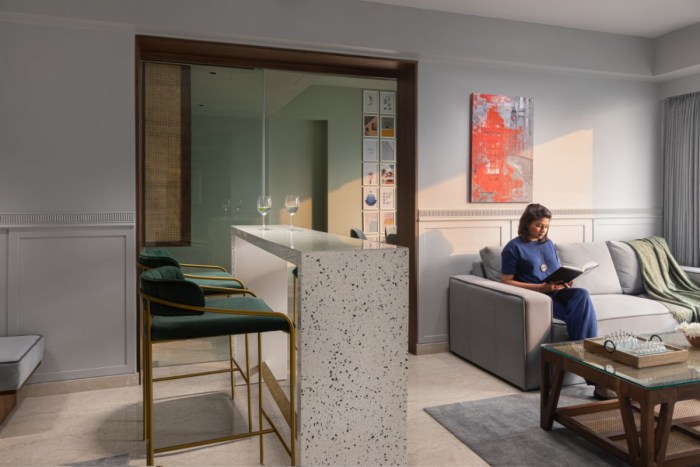
Embark on a journey into the realm of functional living spaces where every corner is optimized for both utility and style. From clever furniture arrangements to vibrant color palettes, this topic delves into the art of creating homes that are as practical as they are aesthetically pleasing.
Explore the seamless integration of design and functionality in different areas of a home, offering a fresh perspective on how to elevate living spaces to new levels of comfort and efficiency.
Functional Spaces

Functional living spaces are essential for creating a home that not only looks good but also works well for everyday living. Designing functional spaces ensures that each area serves a specific purpose efficiently, making the most out of the available square footage.When designing functional living spaces, consider the layout, flow, and purpose of each room. For example, in the kitchen, functionality can be achieved by organizing storage effectively, optimizing countertop space, and ensuring easy access to essential items.
In the living room, incorporating comfortable seating arrangements, adequate lighting, and storage solutions can enhance the functionality of the space.
Optimizing Space in Different Areas
- Utilize multifunctional furniture pieces such as sleeper sofas or coffee tables with storage space to maximize functionality in small living areas.
- Consider vertical storage solutions like shelves or wall-mounted cabinets to free up floor space and keep the room organized.
- Create designated zones within an open-concept space by using area rugs, lighting fixtures, or furniture placement to define different functions.
Garden Ideas
Outdoor spaces play a crucial role in functional living, offering a retreat from indoor environments and providing a connection to nature. A well-designed garden can enhance the overall living experience by creating a seamless transition between the interior and exterior spaces.To design a functional garden that complements the interior living space, consider factors such as the layout, style, and purpose of the garden.
Incorporating elements that reflect the design aesthetic of the indoor space can help create a cohesive look and feel throughout the property.
Creative Garden Elements
- Create designated seating areas using benches, chairs, or built-in seating to encourage relaxation and social gatherings.
- Integrate planters and raised beds to add greenery and color, creating a vibrant and inviting atmosphere.
- Design pathways that lead visitors through the garden, guiding them to different areas and creating visual interest.
- Install lighting fixtures to illuminate the garden at night, extending the usability of the outdoor space and creating a cozy ambiance.
- Incorporate water features such as fountains or ponds to add a sense of tranquility and enhance the sensory experience of the garden.
Interior Design
Interior design plays a crucial role in creating functional living spaces by combining aesthetics with practicality. It involves the intentional arrangement of furniture, colors, textures, and decor elements to optimize the use of space while enhancing the overall look and feel of a room.
Furniture Layout for Functionality
The layout of furniture in a room can significantly impact its functionality. Here are some examples of how furniture placement can enhance the usability of a space:
- Consider the flow of traffic: Arrange furniture in a way that allows for easy movement and access to different areas of the room.
- Multipurpose furniture: Opt for pieces that serve more than one function, such as a storage ottoman or a sofa bed, to maximize space.
- Zoning: Create distinct zones within a room for various activities, like a study area, a relaxation corner, or a dining space.
Selecting Colors, Textures, and Decor Elements
Choosing the right colors, textures, and decor elements can significantly impact the functionality and aesthetics of a room. Here are some tips to help you make the best choices:
- Colors: Use light, neutral tones to make a room feel more spacious, or bold colors to create a focal point. Consider the psychological effects of colors on mood and productivity.
- Textures: Mix different textures like wood, metal, fabric, and glass to add depth and interest to a room. Textures can also affect the acoustics and comfort of a space.
- Decor Elements: Incorporate elements like mirrors to reflect light and create the illusion of space, or plants to bring life and freshness into a room. Choose decor pieces that are both visually appealing and functional.
In conclusion, Designing Functional Living Spaces is an art form that combines innovation and practicality to transform ordinary homes into extraordinary havens. With a focus on blending form and function seamlessly, this discussion inspires a new approach to interior design that prioritizes both usability and beauty.
FAQ
How can I make small living spaces feel more functional?
Opt for multi-functional furniture pieces, utilize vertical space, and keep the color palette light to create an illusion of spaciousness.
What are some creative ways to incorporate functionality into a garden?
Consider adding seating areas, planters with herbs or flowers, and clearly defined pathways to enhance both the visual appeal and functionality of your garden space.
Why is interior design important in creating functional living spaces?
Interior design plays a crucial role in optimizing space, ensuring flow, and harmonizing elements to create a cohesive and functional living environment.


