Sustainable Garden Ideas sets the stage for this enthralling narrative, offering readers a glimpse into a story that is rich in detail with a focus on eco-friendly practices, native plants, and rainwater harvesting. The discussion will inspire readers to explore sustainable gardening with innovative ideas and practical solutions.
In the following paragraphs, we will delve into the importance of sustainable practices, the benefits of native plants, and the integration of rainwater harvesting systems in garden design.
Sustainable Garden Ideas
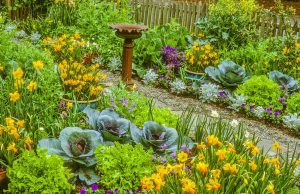
Creating a sustainable garden not only benefits the environment but also adds beauty and diversity to your outdoor space. By implementing eco-friendly practices, using native plants, and incorporating rainwater harvesting systems, you can create a thriving garden that supports local ecosystems and conserves resources.
Examples of Eco-Friendly Gardening Practices
- Composting kitchen scraps and yard waste to create nutrient-rich soil.
- Planting a variety of native plants to attract pollinators and beneficial insects.
- Using organic mulch to suppress weeds, retain moisture, and improve soil health.
- Implementing companion planting to naturally repel pests and promote plant growth.
Benefits of Using Native Plants in Sustainable Gardens
- Native plants are adapted to the local climate and soil conditions, requiring less water and maintenance.
- They provide habitat and food for native wildlife, supporting biodiversity in the area.
- Native plants help prevent soil erosion and reduce the need for chemical fertilizers and pesticides.
- By planting native species, you can create a resilient and self-sustaining garden ecosystem.
How to Incorporate Rainwater Harvesting Systems into a Garden Design
- Install rain barrels or cisterns to collect rainwater from roofs and gutters for irrigation.
- Use permeable paving materials to allow rainwater to infiltrate into the soil instead of running off into storm drains.
- Design swales or rain gardens to capture and slow down rainwater, allowing it to seep into the ground and recharge groundwater.
- Consider incorporating a greywater recycling system to reuse household water for watering plants.
Functional Spaces in Gardens
Creating different zones in a garden for various activities can enhance the overall functionality and aesthetic appeal of the outdoor space. By strategically designing different areas, you can optimize the use of your garden and create a harmonious environment for relaxation, entertainment, and practical tasks.
Designing a Relaxation Corner
When designing a relaxation corner in your garden, consider incorporating elements that promote tranquility and comfort. Choose comfortable outdoor furniture, such as lounge chairs or hammocks, and add soft cushions and throws for a cozy atmosphere. Surround the area with lush plants, fragrant flowers, and soothing water features to create a peaceful retreat where you can unwind and de-stress.
Incorporating Seating Areas
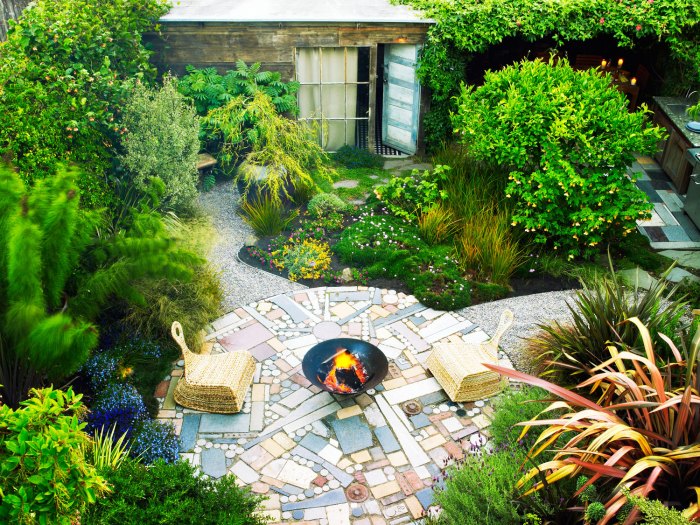
Seating areas are essential in functional garden spaces as they provide a place to rest, socialize, and enjoy the beauty of the outdoors. Incorporate seating options like benches, chairs, or built-in stone seating around key focal points in your garden, such as a fire pit, water feature, or a scenic view. Ensure that the seating is comfortable, durable, and positioned to take advantage of natural light and shade throughout the day.
Interior Design Elements in Gardens
When it comes to designing garden spaces, incorporating interior design elements can elevate the overall look and feel of the outdoor area. By blending colors, textures, lighting, and indoor plants, you can create a seamless transition between your indoor and outdoor spaces.
Integrating Colors and Textures
Integrating colors and textures from your interior design into your garden can create a cohesive and harmonious look. Consider using similar color palettes, materials, and patterns to tie both spaces together. For example, if your interior decor features neutral tones and natural textures, you can carry this theme into your garden by selecting plants, furniture, and decor that complement these elements.
Using Lighting to Enhance Ambiance
Lighting plays a crucial role in enhancing the ambiance of a garden area, especially in the evening. Incorporate a mix of ambient, task, and accent lighting to highlight key features, create focal points, and set the mood. Consider using solar-powered lights, string lights, lanterns, and spotlights to add warmth and depth to your outdoor space.
Bringing Indoor Plants Outdoors
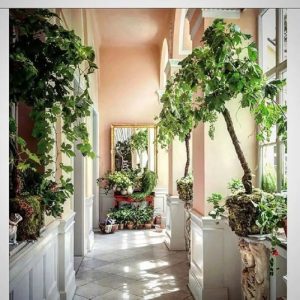
Bringing indoor plants outdoors can blur the lines between interior and exterior spaces, creating a seamless transition. Consider placing potted plants, hanging planters, and vertical gardens in your outdoor area to add greenery and life. Choose plants that thrive in your garden’s conditions and complement your interior plant selection to maintain consistency.
In conclusion, Sustainable Garden Ideas presents a holistic approach to creating environmentally-conscious and aesthetically pleasing garden spaces. By incorporating eco-friendly practices, native flora, and innovative water conservation methods, individuals can transform their outdoor areas into sustainable sanctuaries that benefit both the environment and personal well-being.
Questions and Answers
How can I create a sustainable garden on a budget?
One way to create a sustainable garden on a budget is by starting small and focusing on practices like composting, mulching, and using native plants that require less maintenance and resources.
Are rainwater harvesting systems difficult to install in a garden?
Rainwater harvesting systems can vary in complexity, but there are simple DIY options available for homeowners looking to install them in their gardens. Basic systems can be set up with barrels or tanks to collect rainwater for irrigation purposes.
How do native plants benefit a sustainable garden?
Native plants are well-adapted to the local environment, requiring less water, pesticides, and fertilizers. They also provide habitat and food for local wildlife, promoting biodiversity in the garden.