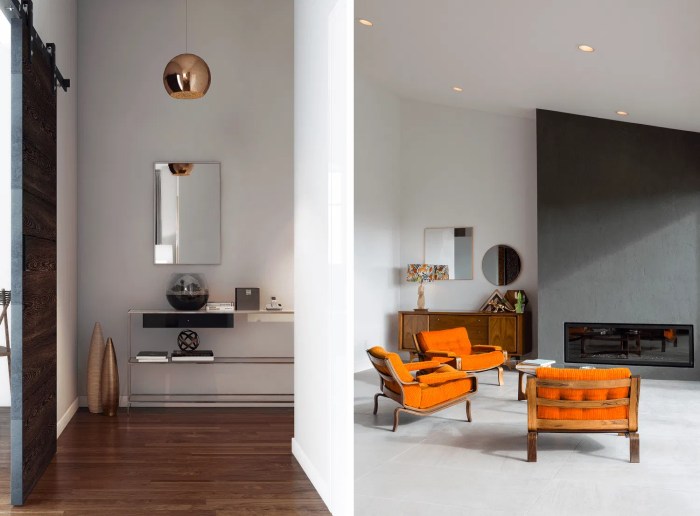
With Minimalist Interior Design Tips at the forefront, this paragraph opens a window to an amazing start and intrigue, inviting readers to embark on a storytelling casual formal language style filled with unexpected twists and insights.
Are you looking to revamp your living space with a touch of elegance and simplicity? Dive into the world of minimalist interior design and discover how to transform your home into a chic oasis of tranquility.
Minimalist Interior Design Tips

Minimalist interior design focuses on simplicity, clean lines, and a clutter-free environment. By following certain principles, using neutral colors, and maximizing natural light, you can create a minimalist space that is both stylish and functional.
Principles of Minimalist Interior Design
Minimalist interior design is guided by the following principles:
- Avoiding clutter and unnecessary decorations
- Using simple and functional furniture
- Emphasizing clean lines and geometric shapes
- Focusing on a limited color palette
Neutral Colors and Clean Lines
The use of neutral colors like white, beige, and gray in minimalist design helps create a sense of calm and spaciousness. Clean lines in furniture and decor contribute to the minimalist aesthetic by reducing visual clutter and promoting a sense of order.
Tips for Decluttering and Organizing Spaces
When decluttering a space in a minimalist design, consider the following tips:
- Regularly assess and remove items that are not essential
- Utilize storage solutions to keep belongings out of sight
- Create designated areas for different activities to maintain organization
Maximizing Natural Light in Minimalist Interiors
Natural light is crucial in minimalist interiors to enhance the feeling of openness and airiness. To maximize natural light, consider the following:
- Use sheer curtains or blinds to allow sunlight to filter through
- Position furniture strategically to prevent blocking light sources
- Reflect natural light with mirrors to brighten up the space
Functional Spaces
Creating functional spaces within a minimalist design involves maximizing the utility of each area while maintaining a clean and uncluttered look. Optimizing storage solutions and incorporating versatile furniture pieces are key elements in achieving a well-designed and efficient living space.
Creating Multifunctional Areas
One effective way to create multifunctional areas in a minimalist design is to use furniture that serves dual purposes. For example, a sofa bed can transform a living room into a guest bedroom when needed. Additionally, utilizing wall-mounted shelves or foldable tables can help save space while providing functionality.
Optimizing Storage
Maximizing storage in a minimalist space is crucial to keep clutter at bay. Consider using hidden storage solutions such as under-bed drawers, built-in cabinets, or storage ottomans. By keeping items out of sight, you can maintain a clean and organized aesthetic in your home.
Embracing “Less is More”
The concept of “less is more” in designing functional spaces emphasizes the importance of simplicity and minimalism. By keeping only essential items and furniture pieces, you can create a sense of openness and tranquility in your living space. Avoiding unnecessary decorations or furniture can help declutter your home and promote a sense of calm.
Versatile Furniture Pieces
Incorporating versatile furniture pieces, such as modular sofas or nesting tables, can help adapt your space to different needs. These adaptable pieces can be rearranged or repurposed to accommodate various activities, making your home more versatile and efficient.
Garden Ideas
Creating a minimalist garden space is all about simplicity and functionality. By incorporating simple landscaping techniques and carefully selecting plants, you can achieve a clean and serene outdoor space that complements your minimalist interior design. Here are some tips to help you achieve a cohesive look:
Minimalist Landscaping Techniques
- Focus on clean lines and geometric shapes in your garden design.
- Use a limited color palette with shades of green and white for a cohesive look.
- Opt for low-maintenance plants and avoid cluttering the space with too many different varieties.
- Incorporate natural materials like wood and stone to add texture and warmth to the garden.
Plant Selection for Minimalist Gardens
- Choose plants with a simple and elegant appearance, such as succulents, ornamental grasses, and bamboo.
- Avoid overly intricate or colorful flowers that may clash with the minimalist aesthetic.
- Consider the growth habits of plants and ensure they can be easily pruned to maintain a neat and tidy appearance.
- Select plants that thrive in your climate and require minimal watering and maintenance.
Integration with Minimalist Interiors
- Create a seamless transition between indoor and outdoor spaces by using similar design elements and materials.
- Incorporate potted plants indoors to bring a touch of nature into your minimalist interior.
- Choose furniture and decor for your outdoor space that complements the clean lines and simplicity of your interior design.
- Consider adding a water feature or zen garden to enhance the sense of tranquility in both your indoor and outdoor spaces.
Interior Design
When it comes to minimalist interior design, achieving balance and harmony is crucial for creating a visually appealing and functional space. The goal is to maintain a sense of simplicity while ensuring that every element in the room complements each other.
Importance of Balance and Harmony
In minimalist interior design, balance and harmony play a key role in creating a sense of calm and order in a space. Here are some tips to help you achieve this:
- Avoid clutter by keeping only essential items in the room.
- Use a monochromatic color scheme to create a cohesive look.
- Balance out different furniture pieces by placing them strategically in the room.
Integrating Textures and Materials
Adding textures and materials to a minimalist space can help create visual interest and depth. Here are some ways to do this:
- Opt for natural materials like wood, stone, or metal to add warmth to the room.
- Mix different textures like smooth surfaces with rough ones to create contrast.
- Choose a few statement pieces with interesting textures to serve as focal points in the room.
Role of Negative Space
Negative space, also known as empty space, is essential in minimalist interior design as it helps create a sense of openness and airiness. Here’s how you can leverage negative space:
- Leave blank walls or surfaces to allow the eyes to rest and appreciate the simplicity of the design.
- Use minimal furniture and decor to maximize negative space and create a clean, uncluttered look.
- Strategically place furniture to create spatial flow and make the most of the available space.
Adding Warmth and Personality
While minimalist interiors are known for their simplicity, it’s essential to add elements that bring warmth and personality to the space. Here are some tips to achieve this:
- Incorporate soft textiles like rugs, cushions, and throws to add coziness to the room.
- Showcase personal items or artworks that reflect your style and personality.
- Add plants or greenery to bring a touch of nature indoors and create a welcoming atmosphere.
As we conclude our journey through Minimalist Interior Design Tips, remember that less is often more when it comes to creating harmonious living spaces. Embrace the beauty of simplicity and let your home reflect your unique style and personality.
Q&A
How can I effectively declutter and organize my space in a minimalist design?
Utilize storage solutions like hidden cabinets and wall shelves to keep items out of sight and maintain a clean aesthetic. Consider donating or selling items you no longer need to minimize clutter.
What are some key principles to keep in mind when designing a minimalist garden?
Focus on simplicity, use a limited color palette, and incorporate greenery strategically to create a serene outdoor space. Opt for clean lines and uncluttered arrangements to maintain the minimalist look.


