With Industrial Interior Design Style at the forefront, this paragraph opens a window to an amazing start and intrigue, inviting readers to embark on a storytelling casual formal language style filled with unexpected twists and insights.
Industrial interior design seamlessly blends functionality with style, creating unique spaces that exude a modern and industrial charm. From the origins of this design style to practical tips on achieving it, explore the fascinating world of Industrial Interior Design Style.
Overview of Industrial Interior Design Style

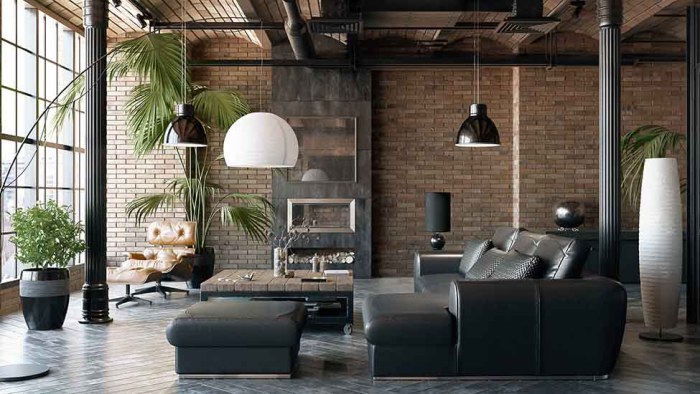
Industrial interior design is characterized by its raw, unfinished look combined with sleek, modern elements. It often incorporates materials such as exposed brick, steel, and concrete to create a rugged yet stylish aesthetic. This style is inspired by old factories and industrial spaces, giving it a unique and edgy appeal.
Origins and History of Industrial Interior Design
Industrial interior design finds its roots in the industrial revolution when old factories and warehouses were repurposed into living spaces. This design style emerged as a way to celebrate the beauty of raw, industrial materials and showcase the history of these buildings. Over time, it has evolved to become a popular choice for modern homes and commercial spaces looking to add a touch of urban sophistication.
Iconic Industrial Interior Design Elements
- Exposed Brick Walls: Exposing the natural brickwork adds texture and character to a space, giving it an industrial vibe.
- Metal Accents: Incorporating metal elements like steel beams, light fixtures, and furniture can enhance the industrial look.
- Concrete Floors: Concrete floors are durable and easy to maintain, making them a popular choice for industrial spaces.
- Weathered Wood: Using reclaimed or distressed wood furniture adds warmth and contrast to the industrial style.
- Edison Bulbs: Vintage-style Edison bulbs in light fixtures can add a nostalgic industrial touch to any space.
Functional Spaces in Industrial Interior Design
Functionality plays a crucial role in industrial interior design, as it focuses on creating spaces that are not only visually appealing but also practical and efficient.
Optimizing Industrial Spaces for Functionality
- Utilizing open floor plans to maximize space and flexibility for different activities.
- Incorporating multi-functional furniture pieces that can serve multiple purposes.
- Embracing raw materials such as exposed bricks, concrete floors, and metal fixtures that are both durable and easy to maintain.
- Integrating ample storage solutions to keep the space organized and clutter-free.
Practicality in Industrial Design
- Industrial design often features high ceilings and large windows to allow natural light in, reducing the need for artificial lighting during the day.
- Using industrial-style lighting fixtures that are both stylish and provide ample illumination for various tasks.
- Incorporating industrial elements like sliding barn doors or metal partitions for flexible room divisions without compromising the overall aesthetic.
- Choosing furniture pieces with clean lines and minimalistic designs to maintain a sense of openness and flow within the space.
Garden Ideas for Industrial Interior Design
When it comes to industrial interior design, incorporating green spaces or gardens can add a touch of nature and tranquility to the overall aesthetic. Utilizing industrial materials in outdoor garden design can create a cohesive look that seamlessly blends indoor and outdoor spaces. Here are some tips for creating an industrial-inspired garden oasis within interior spaces:
Using Metal and Concrete Elements
- Integrate metal planters, concrete pavers, and industrial steel structures to add an urban touch to your garden.
- Opt for minimalistic plant arrangements and focus on showcasing the raw beauty of industrial materials.
- Use salvaged metal objects or concrete blocks to create unique focal points in your garden space.
Incorporating Greenery and Water Features
- Balance the industrial feel with lush greenery such as potted plants, vertical gardens, and climbing vines.
- Consider adding water features like fountains or ponds to create a soothing ambiance in your industrial garden.
- Mix and match different plant textures and heights to create visual interest and depth in the space.
Creating Functional Outdoor Seating Areas
- Utilize industrial-style furniture like metal benches, concrete tables, and wire chairs to establish cozy seating spots within your garden.
- Add soft cushions, throw pillows, and outdoor rugs to bring warmth and comfort to the seating areas.
- Enhance the ambiance with string lights, lanterns, and candles to create a welcoming atmosphere for outdoor gatherings.
Interior Design Tips for Achieving Industrial Style
Industrial interior design is all about embracing raw, unfinished elements and combining them with polished finishes to create a unique aesthetic. Here are some tips to help you achieve an industrial style in your interior design:
Furniture:
Industrial style furniture often features materials like metal, reclaimed wood, and exposed hardware. Look for pieces with a distressed finish or a weathered appearance to add character to your space. Opt for pieces with clean lines and a utilitarian look to stay true to the industrial style.
Lighting:
Lighting plays a crucial role in industrial interior design. Choose fixtures with an industrial feel, such as exposed bulbs, metal shades, or wire cages. Pendant lights and vintage-style fixtures work particularly well in industrial spaces. Consider incorporating statement lighting pieces to add a touch of drama to your design.
Color Schemes:
When it comes to color schemes in industrial design, stick to a palette of neutral tones like grey, black, white, and brown. These colors help to create a cohesive look and allow the industrial elements in your space to stand out. Consider adding pops of color through accessories or artwork to add visual interest to the room.
Balance Raw and Polished Elements:
One of the key aspects of industrial design is finding the balance between raw, unfinished elements and polished finishes. Mix materials like exposed brick, concrete, and steel with more refined elements like leather, velvet, or glass to create a harmonious contrast. This juxtaposition adds depth and texture to your space while maintaining the industrial aesthetic.
As we conclude our exploration of Industrial Interior Design Style, we are left inspired by the seamless fusion of raw elements and polished finishes. Embrace the industrial aesthetic in your spaces to create a truly captivating environment that balances form and function effortlessly.
Question & Answer Hub
How can I incorporate industrial elements without making my space look too cold?
To warm up industrial spaces, consider adding textured textiles like rugs and throws, incorporating wooden elements, and incorporating soft lighting for a cozy ambiance.
What are some key elements that define industrial interior design?
Key elements include exposed brick walls, metal piping, concrete floors, and utilitarian furniture pieces that reflect the industrial roots of this design style.
Can industrial interior design work in small spaces?
Absolutely! Industrial design can actually enhance the look of small spaces by creating an illusion of openness and adding a touch of urban chic.