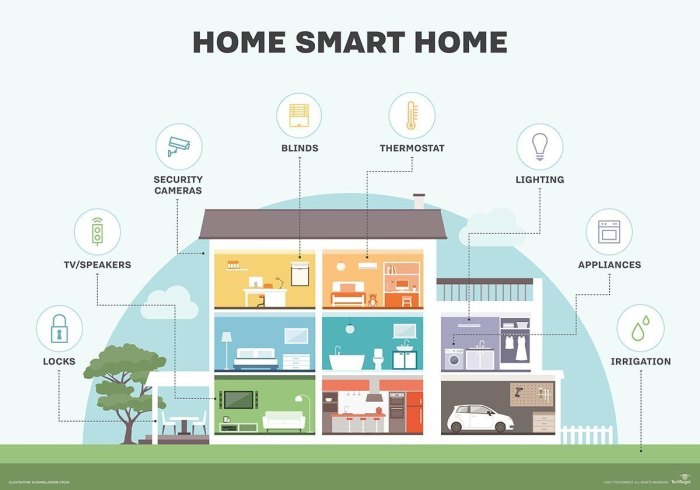
The convergence of functional design and smart home technology is revolutionizing how we live. This exploration delves into the synergistic relationship between thoughtfully designed living spaces and the seamless integration of smart devices, examining how technology enhances both convenience and efficiency. We’ll navigate the benefits, challenges, and future trends shaping this exciting intersection.
From optimizing energy consumption with smart thermostats to enhancing security with integrated surveillance systems, smart home technology offers a multitude of advantages. However, considerations around user experience, data privacy, and potential security vulnerabilities must be addressed to ensure a truly positive and safe experience. This discussion will carefully examine these facets, providing a comprehensive overview of the opportunities and responsibilities inherent in this rapidly evolving field.
Case Studies of Functional Spaces with Smart Home Technology
Smart home technology is rapidly transforming how we interact with our living spaces, enhancing functionality, comfort, and efficiency. This section examines real-world examples of functional spaces effectively integrating smart home technology, analyzing the design choices and technological solutions employed, and highlighting key lessons learned. The focus is on showcasing successful implementations and addressing potential challenges.
Case Study 1: Smart Kitchen in a Modern Apartment
This case study features a modern apartment kitchen incorporating a range of smart appliances and integrated systems. The design prioritizes seamless integration and intuitive user experience. Smart appliances include a smart refrigerator with inventory management, a smart oven with pre-programmed recipes and remote control, and a smart dishwasher with automated cycle selection. A central hub manages all appliances, allowing for centralized control and monitoring through a mobile app.
The system also integrates with voice assistants for hands-free operation. Smart lighting adjusts based on ambient light levels and user preferences.
Case Study 2: Automated Lighting and Security System in a Family Home
This case study focuses on a family home that utilizes a comprehensive smart home system to manage lighting, security, and energy consumption. The system incorporates smart lighting throughout the house, allowing for automated adjustments based on time of day, occupancy, and ambient light. Motion sensors trigger lighting in hallways and exterior areas, enhancing security. Smart security cameras provide real-time monitoring and recording, with alerts sent to the homeowner’s mobile device.
Smart thermostats optimize energy usage based on occupancy and weather conditions. The system also integrates with a smart lock, allowing for remote access control.
Case Study 3: Smart Office Space for Enhanced Productivity
This case study details a smart office space designed to maximize productivity and efficiency. The system integrates smart lighting, temperature control, and audio-visual equipment. Smart lighting automatically adjusts brightness and color temperature based on the time of day and user preferences, promoting alertness and focus. Smart thermostats maintain optimal temperature levels, while noise-canceling technology minimizes distractions. The system also incorporates smart scheduling for meetings and presentations, automatically adjusting lighting and audio-visual equipment as needed.
A centralized control system allows for seamless management of all aspects of the office environment.
| Case Study | Successes | Challenges | Lessons Learned |
|---|---|---|---|
| Smart Kitchen | Improved convenience, reduced food waste, enhanced cooking experience. | Initial setup complexity, potential for system malfunctions, cost of smart appliances. | Prioritize user-friendliness, choose reliable technology, plan for potential integration issues. |
| Automated Home | Enhanced security, energy savings, improved comfort and convenience. | Concerns about data privacy, potential for system vulnerabilities, initial investment costs. | Address security and privacy concerns, ensure system reliability, carefully consider long-term costs. |
| Smart Office | Increased productivity, improved comfort, enhanced meeting efficiency. | High initial investment, potential for technical difficulties, user training requirements. | Prioritize system reliability and scalability, provide comprehensive user training, carefully evaluate ROI. |
Ultimately, the integration of smart home technology into functional spaces represents a significant advancement in home design and living. By carefully considering user experience, security protocols, and the long-term implications of data privacy, we can harness the power of smart technology to create homes that are not only efficient and comfortable but also secure and responsive to our individual needs.
The future promises even greater innovation, blurring the lines between technology and the built environment in ways that enhance our lives in meaningful and sustainable ways.
FAQ Section
What are the initial costs associated with smart home technology integration?
Initial costs vary greatly depending on the extent of integration. Simple additions like smart bulbs are inexpensive, while comprehensive system installations can be substantial. Careful planning and prioritization of needs are key to managing costs effectively.
How much energy can I realistically save with smart home devices?
Energy savings depend on the devices used and individual usage habits. Smart thermostats and lighting systems offer the most significant potential for savings, but the overall impact will vary based on factors like home size and climate.
What happens if my internet connection goes down?
The functionality of many smart home devices relies on internet connectivity. In case of an outage, some devices may have limited offline capabilities, while others may become completely unusable until connectivity is restored.
Can I control my smart home devices remotely?
Most smart home systems allow for remote control via smartphone apps or other interfaces, providing flexibility and convenience even when away from home.


