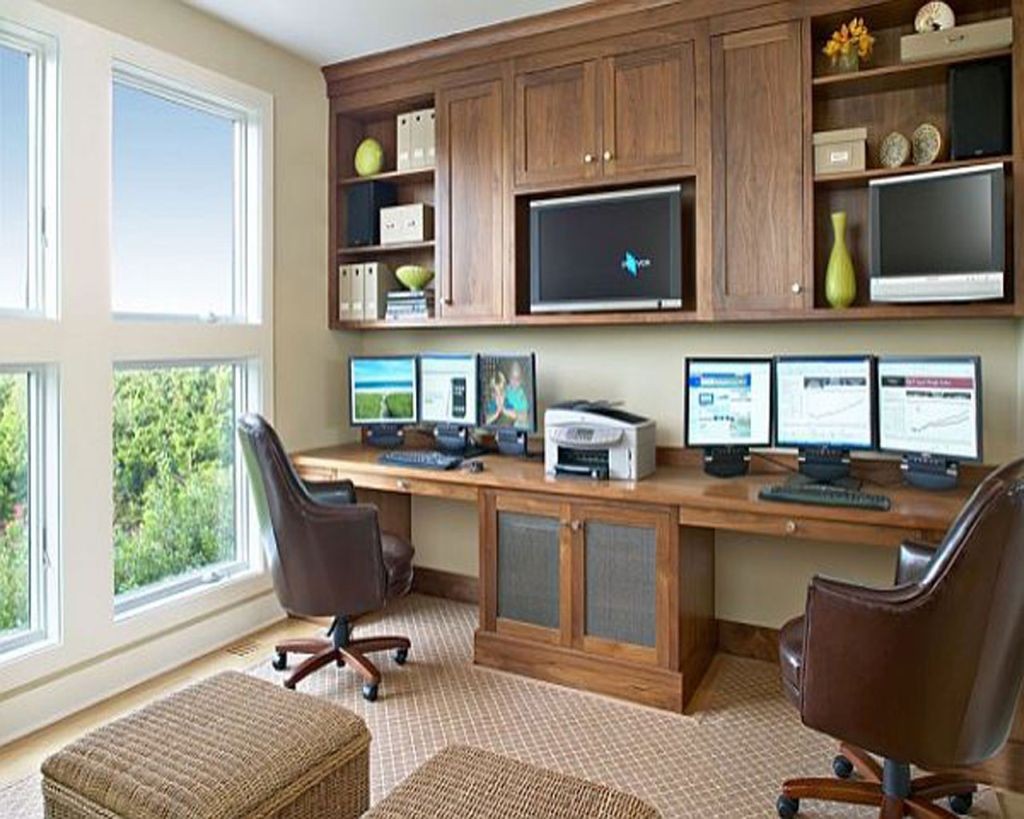
Creating a functional home office transcends simply having a desk and chair; it’s about designing a space that boosts productivity, fosters creativity, and enhances well-being. This involves careful consideration of ergonomics, workflow, aesthetics, and efficient use of space, regardless of the size of your home. From selecting the right furniture and technology to implementing clever storage solutions and incorporating calming design elements, transforming a corner of your home into a productive haven is achievable with thoughtful planning and execution.
This guide explores the key elements of designing a functional home office, covering everything from optimizing layout and choosing ergonomic furniture to implementing effective storage strategies and enhancing the overall ambiance. We’ll delve into practical tips and design principles to help you create a workspace that’s not only efficient but also inspires and supports your work style.
Defining Functional Home Office Spaces
Creating a functional home office involves more than just having a desk and a chair. It requires careful consideration of ergonomics, workflow optimization, and the overall environment to foster productivity and well-being. A well-designed space promotes efficiency, reduces stress, and ultimately enhances your work performance.
A functional home office prioritizes ergonomics, ensuring comfort and minimizing the risk of physical strain during prolonged periods of sitting. Workflow optimization involves strategically arranging the space to facilitate smooth transitions between tasks and minimize wasted movement. This includes proximity of frequently used items, efficient storage solutions, and a clutter-free environment. The overall design should reflect your personal style and professional needs, creating a space that inspires focus and creativity.
Home Office Layouts for Different Professions and Lifestyles
The ideal home office layout varies significantly depending on the profession and lifestyle of the occupant. A graphic designer might require a large, well-lit workspace with ample desk space and specialized equipment, while a writer might prefer a more cozy and secluded setting. Similarly, a freelancer juggling multiple projects will need a more organized and flexible setup than someone with a more structured work routine.
For example, a freelance writer might opt for a small, dedicated room with a comfortable chair and a good-sized desk, while a software engineer might require a larger space accommodating multiple monitors, a powerful computer, and perhaps a standing desk. A family with multiple people working from home might benefit from a shared workspace with individual zones for each person, ensuring privacy and minimizing distractions.
Those working in sales or requiring frequent video calls will prioritize good lighting and a neutral, professional-looking background.
The Importance of Natural Light in Home Offices
Natural light significantly impacts productivity and overall well-being within a home office. Studies have shown that exposure to natural light improves mood, reduces eye strain, and enhances focus. Positioning the workspace near a window allows for optimal natural light intake, reducing reliance on artificial lighting and improving the overall ambiance. However, it’s crucial to manage glare and direct sunlight to prevent discomfort and eye strain.
Using blinds or curtains can help regulate the amount of light entering the space.
The benefits extend beyond mere aesthetics. Natural light helps regulate our circadian rhythm, improving sleep quality and energy levels throughout the day. This, in turn, positively affects productivity and mental clarity. A poorly lit workspace, conversely, can lead to headaches, fatigue, and decreased efficiency. Therefore, maximizing natural light is a critical element in creating a functional and healthy home office.
Sample Floor Plan for a Small, Functional Home Office
This plan assumes a small room, approximately 8ft x 10ft.
Imagine a room with a window on one of the shorter walls. The desk, a compact corner desk, is placed against the wall with the window, maximizing natural light. A comfortable ergonomic chair is positioned in front of the desk. A small, narrow filing cabinet is tucked into the corner next to the desk for storage. Opposite the desk, a small bookshelf is mounted on the wall to hold frequently accessed reference materials.
A small area rug defines the workspace and adds a touch of warmth and personality. Additional storage might be provided via floating shelves or a small, rolling cart that can be easily moved as needed. This design maximizes space while ensuring a comfortable and functional workspace.
Furniture and Equipment for Functional Spaces
Creating a productive home office hinges on selecting the right furniture and equipment. The pieces you choose directly impact your comfort, efficiency, and overall well-being while working from home. Investing in quality items, even if it means prioritizing certain aspects over others, will pay dividends in the long run.
Office Chairs: Ergonomics and Posture
The chair is arguably the most critical piece of furniture in a home office. A poorly designed chair can lead to back pain, neck strain, and reduced productivity. Ergonomic chairs prioritize support and adjustability to maintain proper posture. Several types exist, each with its own strengths and weaknesses. Executive chairs, often featuring high backs and adjustable lumbar support, provide excellent comfort for extended periods.
Task chairs, generally more affordable, offer a good balance of comfort and adjustability. Standing desks are becoming increasingly popular and help promote movement and improved posture. However, they require a supportive mat and may not be suitable for all users. The choice depends on individual needs and budget. Consider features like adjustable height, lumbar support, armrests, and breathable materials when selecting a chair.
Proper posture involves maintaining a natural curvature of the spine, with feet flat on the floor and elbows at a 90-degree angle.
Desks and Work Surfaces
The desk should be sized appropriately for your needs and workspace. A large desk can accommodate multiple monitors and other equipment, while a smaller desk may be sufficient for those with more minimalist setups. Consider the material – wood desks offer a classic aesthetic, while metal desks provide durability. Standing desks, as mentioned above, offer a dynamic workspace option.
Regardless of the type, ensure your desk height allows for proper posture, with your elbows at a 90-degree angle while typing. Sufficient desk space to avoid clutter is essential.
Storage Solutions
Effective storage is key to maintaining a clutter-free and organized workspace. This can include filing cabinets for paperwork, drawers for supplies, and shelves for books and other items. Vertical storage solutions maximize space, especially in smaller offices. Consider using labeled containers and drawers to keep everything easily accessible. A well-organized workspace reduces stress and enhances productivity.
Essential Technology and Equipment
A modern home office requires several key technological components. A high-quality computer, whether a desktop or laptop, is essential. A reliable internet connection is paramount for communication and access to online resources. A printer/scanner combination is useful for handling paperwork. External monitors can enhance productivity by providing more screen real estate.
Depending on your work, you might need specialized software or hardware. Budget considerations are crucial; prioritizing essential items over optional ones ensures cost-effectiveness. For instance, a refurbished computer might be a cost-effective alternative to a brand-new one.
Office Supplies: Must-Haves and Optional Items
A well-stocked office is crucial for efficiency. The following table categorizes essential and optional supplies:
| Product | Category | Cost (Estimate) | Notes |
|---|---|---|---|
| Pens & Pencils | Writing Instruments | $10 – $20 | Variety of colors and types |
| Notebooks & Paper | Writing Materials | $15 – $30 | Consider recycled options |
| Stapler & Staples | Office Equipment | $10 – $15 | Heavy-duty stapler recommended |
| Hole Punch | Office Equipment | $5 – $10 | Choose a heavy-duty model |
| Sticky Notes | Office Supplies | $5 – $10 | Various sizes and colors |
| Desk Organizer | Storage | $15 – $30 | Helps keep desk tidy |
| Shredder | Office Equipment (Optional) | $20 – $50 | For secure document disposal |
| Highlighters | Office Supplies (Optional) | $5 – $10 | Various colors for emphasis |
Enhancing the Aesthetics and Ambiance of Functional Spaces
Creating a visually appealing and calming home office is crucial for productivity and well-being. A thoughtfully designed space can significantly impact your mood, focus, and overall work experience, transforming a functional area into a truly inspiring environment. The interplay of color, light, and carefully chosen décor elements plays a vital role in achieving this balance.
Color Palettes and Lighting for Productivity
Color psychology significantly influences mood and productivity. Cool colors like blues and greens are generally associated with calmness and focus, making them ideal for promoting concentration. These shades can create a serene atmosphere, reducing stress and improving cognitive function. Conversely, warmer colors such as yellows and oranges can stimulate creativity and energy, though they should be used judiciously to avoid overwhelming the space.
Incorporating natural light is paramount; it boosts mood and alertness. Supplement natural light with task lighting, such as adjustable desk lamps, to prevent eye strain and ensure adequate illumination for work. Layered lighting, combining ambient, task, and accent lighting, creates a more dynamic and comfortable workspace. For instance, a soft overhead light can provide ambient illumination, while a desk lamp focuses light directly on your work area, and strategically placed accent lights can highlight artwork or plants.
Plants and Décor to Improve Ambiance and Reduce Stress
Introducing plants into your home office offers multiple benefits. Studies have shown that plants can improve air quality, reduce stress levels, and enhance cognitive function. Plants add a touch of nature, creating a more calming and visually appealing environment. The choice of plants should be guided by your available space and light conditions. Low-maintenance plants like snake plants or ZZ plants are suitable for low-light areas, while others thrive in brighter spaces.
Decorative elements should complement the overall aesthetic and contribute to a relaxing atmosphere. Artwork, carefully chosen photographs, or even a small collection of inspirational objects can personalize the space and reflect your individual style. However, it’s crucial to avoid clutter, as excessive décor can have the opposite effect, leading to distraction and stress.
Design Elements Promoting a Calming and Focused Atmosphere
Creating a calming and focused atmosphere involves a strategic approach to design. The following design elements contribute to a productive and stress-free workspace:
- Minimalist Design: A clutter-free environment reduces visual distractions and promotes focus. Keep your workspace organized and free from unnecessary items.
- Natural Materials: Incorporating natural materials like wood, bamboo, or stone creates a warm and inviting feel, connecting you to nature and promoting a sense of calm.
- Comfortable Seating: Investing in an ergonomic chair that provides adequate support is essential for comfort and posture, preventing discomfort and fatigue.
- Sound Absorption: Consider using sound-absorbing materials like rugs or acoustic panels to minimize distracting noises and create a quieter work environment.
- Organized Storage: Efficient storage solutions keep your workspace tidy and organized, minimizing clutter and maximizing space.
Incorporating Personal Touches and Style
Personalizing your home office allows you to create a space that truly reflects your personality and preferences. This can include incorporating elements of your hobbies, favorite colors, or meaningful objects. A carefully curated collection of books, a personal artwork display, or family photos can add warmth and character without compromising efficiency. The key is to maintain balance; while personalization is encouraged, it’s important to avoid overcrowding the space with excessive items that might hinder productivity.
For example, a small gallery wall with framed prints of inspiring landscapes can enhance the aesthetic appeal while maintaining a professional and organized atmosphere. Similarly, a collection of carefully chosen succulents in attractive pots can add a touch of nature without cluttering the workspace.
Ultimately, designing a functional home office is a deeply personal endeavor. By carefully considering your individual needs, workflow, and aesthetic preferences, you can create a space that supports your productivity and enhances your overall well-being. Remember that a well-designed home office isn’t just about efficiency; it’s about creating an environment that inspires you to do your best work and fosters a positive and productive work-life balance.
The principles discussed here can be applied to any functional space in your home, creating a harmonious and efficient living environment.
Commonly Asked Questions
What is the ideal desk size for a home office?
The ideal desk size depends on your needs and the space available. A good rule of thumb is to have enough surface area for your computer, documents, and other essential items, with extra room for comfortable movement.
How can I improve lighting in my home office?
Combine natural light with task lighting (desk lamp) and ambient lighting (overhead or floor lamp) to create a balanced and comfortable workspace. Avoid harsh overhead lighting.
What are some affordable storage solutions for a small home office?
Utilize vertical space with tall bookshelves, use drawer organizers to maximize desk drawer space, and consider using wall-mounted shelves for extra storage.
How do I minimize clutter in my home office?
Regularly declutter, utilize storage solutions effectively, and implement a system for organizing documents and supplies. A designated spot for everything helps maintain a clean and organized space.


