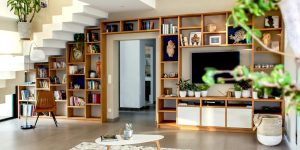
Exploring the concept of multi-use rooms and how they can be optimized for various functions, this article dives into the world of functional space design with practical tips and examples.
From furniture versatility to space optimization strategies, readers will discover innovative ways to make the most out of their multi-use rooms.
Functional Spaces for Multi-Use Rooms

Multi-use rooms are versatile spaces that serve more than one function, allowing you to make the most out of your living area. These rooms can adapt to different needs and activities, making them practical and efficient.
Examples of Versatile Furniture
When furnishing a multi-use room, opt for furniture pieces that can serve multiple purposes. Some examples include:
- A sofa bed that can be used as seating during the day and transformed into a bed for guests at night.
- Folding tables and chairs that can be easily stored when not in use to free up space.
- Modular shelving units that can be reconfigured to accommodate changing storage needs.
Tips for Maximizing Space
To make the most of a multi-use room, consider the following tips:
- Use furniture with hidden storage compartments to keep clutter at bay.
- Opt for light, neutral colors to create a sense of openness and airiness.
- Utilize vertical space with shelves or wall-mounted storage solutions.
- Invest in furniture that can be easily moved around to adapt to different activities.
Garden Ideas for Functional Spaces
Creating a functional garden space is essential for maximizing the usability of outdoor areas. Here are some tips on how to make the most of your garden for multi-use purposes.
Incorporating Seating Areas in a Garden
When planning a functional garden, incorporating seating areas is crucial for creating a versatile space. Here are some ideas to consider:
- Install a patio or deck with comfortable outdoor furniture for dining and entertaining.
- Create cozy nooks with benches or hammocks for relaxation and reading.
- Add movable seating options like folding chairs or ottomans for flexibility in arranging the space.
Importance of Greenery and Plants
Greenery and plants play a significant role in creating a functional garden space. Here’s why they are essential:
- Plants enhance the aesthetic appeal of the garden, making it a pleasant and inviting space.
- Greenery helps improve air quality by absorbing carbon dioxide and releasing oxygen.
- Plants can provide privacy and shade in the garden, creating a more intimate and comfortable environment.
Interior Design for Multi-Use Rooms
When it comes to designing multi-use rooms, there are several key elements to consider in order to create a space that is both functional and visually appealing.
Color Schemes for Multi-Use Rooms
Choosing the right color scheme is crucial in multi-use rooms as it can help define different areas within the space while maintaining a cohesive look. Some color schemes that work well in multi-use rooms include:
- Neutral tones: such as whites, grays, and beige, can create a versatile backdrop for different activities.
- Accent colors: adding pops of color through accent walls or furniture pieces can help delineate specific areas within the room.
- Monochromatic schemes: using varying shades of the same color can create a harmonious and unified look in a multi-use room.
Lighting for Enhancing Functionality
Lighting plays a crucial role in enhancing the functionality of a multi-use room. Consider the following lighting options:
- Task lighting: install task lighting fixtures such as desk lamps or under-cabinet lights to provide focused lighting for specific activities.
- Ambient lighting: use overhead lights, wall sconces, or floor lamps to provide overall illumination and create a welcoming ambiance in the room.
- Dimmer switches: installing dimmer switches can help adjust the lighting level according to the different functions carried out in the room.
Dividing a Multi-Use Room
Dividing a multi-use room into specific functional areas can be achieved through various techniques:
- Furniture arrangement: strategically placing furniture such as bookshelves, rugs, or room dividers can help delineate different zones within the room.
- Area rugs: using area rugs of different sizes and patterns can visually separate specific areas like a living room or a workspace.
- Color blocking: painting or using wallpaper in different colors can define separate areas within the room without the need for physical barriers.
In conclusion, functional space for multi-use rooms offers endless possibilities for creating dynamic and adaptable living environments. By incorporating the right elements and design principles, individuals can transform their spaces into versatile hubs for various activities.
FAQs
How can I maximize space in a multi-use room?
Utilize multipurpose furniture, install shelves for storage, and consider using room dividers to create distinct zones.
What color schemes work best for multi-use rooms?
Neutral colors and pastel tones are versatile options that can help create a cohesive and balanced look in multi-use spaces.
Why is greenery important in a functional garden space?
Greenery not only adds aesthetic appeal but also promotes a sense of tranquility and connection to nature, enhancing the overall functionality of the garden.