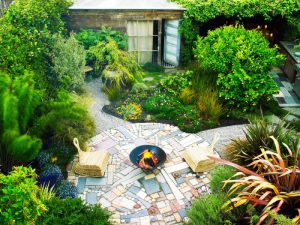
Embark on a journey through Garden Ideas with Edible Plants, exploring creative designs and practical spaces that blend aesthetics with functionality. This captivating topic delves into the world of gardening with a focus on incorporating edible plants for a unique outdoor experience.
Discover how to seamlessly integrate nature into your living spaces while reaping the benefits of a bountiful garden filled with edible delights.
Functional Spaces
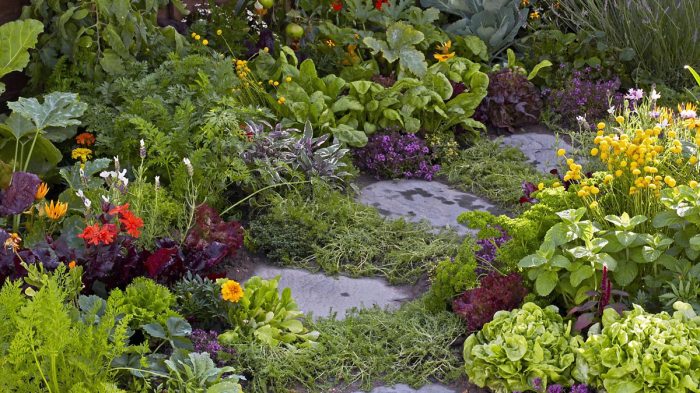
Functional spaces in a garden refer to areas that serve a specific purpose or function, enhancing the overall usability and enjoyment of the outdoor space. These spaces are designed with intention and often have defined boundaries or features that distinguish them from other parts of the garden.
Integration of Edible Plants
Integrating edible plants into functional garden spaces not only adds beauty but also serves a practical purpose. Here are some examples of how edible plants can be incorporated:
- Herb Garden: Create a dedicated area for growing herbs like basil, rosemary, and mint. These can be easily accessed for cooking and culinary purposes.
- Vegetable Patch: Designate a section of the garden for growing vegetables such as tomatoes, peppers, and lettuce. This provides a convenient and sustainable source of fresh produce.
- Fruit Trees: Plant fruit trees like apple, peach, or citrus in a specific area to enjoy homegrown fruits throughout the season.
Benefits of Functional Areas
Creating functional areas within a garden offers several benefits:
- Efficient Use of Space: By designating specific areas for different purposes, you can maximize the use of available space and ensure that each area serves a distinct function.
- Convenience: Functional spaces make it easier to access and maintain different types of plants, whether for harvesting, watering, or pruning.
- Aesthetic Appeal: Well-designed functional spaces enhance the overall look of the garden, creating a cohesive and visually pleasing environment.
- Increased Productivity: By organizing edible plants into functional areas, you can streamline gardening tasks and potentially yield a higher quantity and quality of produce.
Garden Ideas
When it comes to garden ideas with edible plants, the possibilities are endless. Not only can you create a beautiful outdoor space, but you can also enjoy the fruits of your labor by growing your own fresh produce. Planning and layout play a crucial role in the success of an edible garden, so let’s explore some innovative designs that combine aesthetics with functionality.
Incorporating Vertical Gardening
Vertical gardening is a great way to maximize space and create a stunning visual impact in your garden. By using trellises, wall planters, or hanging baskets, you can grow a variety of edible plants such as herbs, strawberries, and tomatoes. This not only adds a decorative element to your garden but also makes harvesting easier.
Companion Planting for Aesthetic Appeal
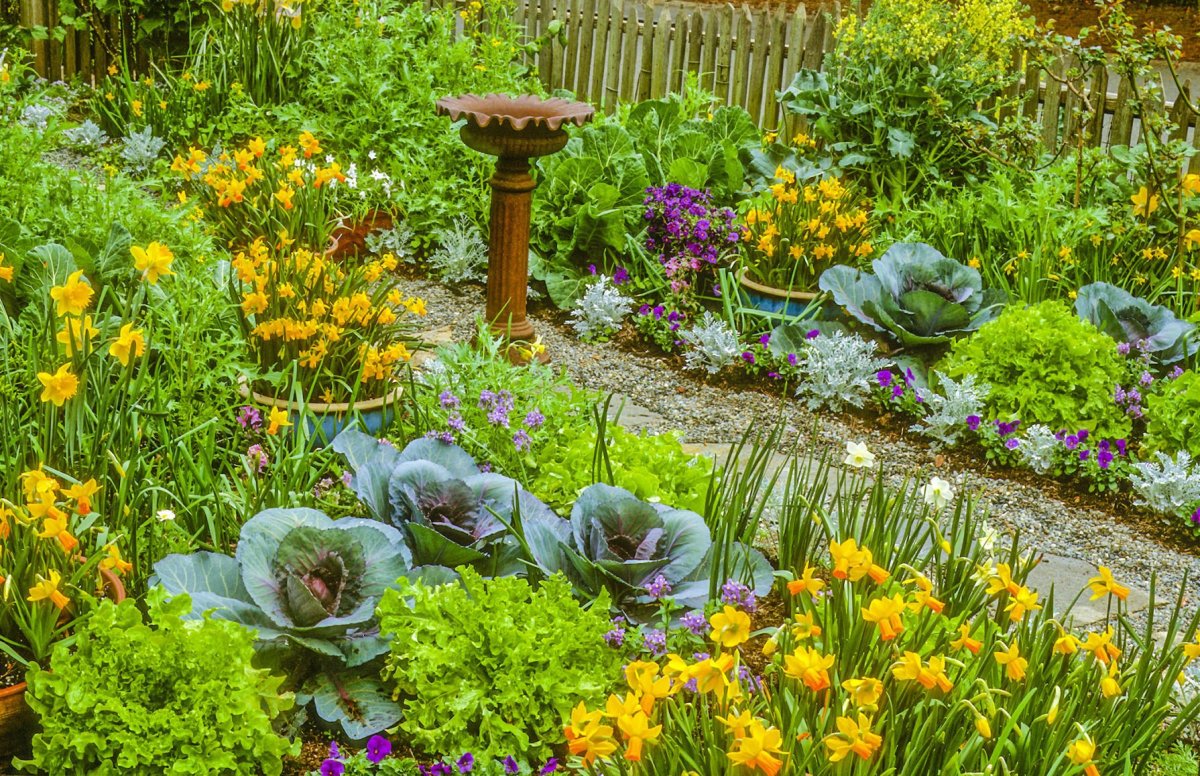
Companion planting is a gardening technique where different plants are grown together to enhance growth, repel pests, and attract beneficial insects. In an edible garden, you can combine colorful flowers with vegetables and herbs to create a visually appealing and productive space. For example, marigolds can be planted alongside tomatoes to deter pests while adding a pop of color to the garden.
Potager Garden Design
A potager garden is a French-style kitchen garden that blends ornamental and edible plants in a harmonious layout. This design incorporates geometric patterns, low hedges, and raised beds to create a visually pleasing arrangement of crops. By carefully planning the layout of your potager garden, you can achieve both beauty and functionality in your outdoor space.
Interior Design
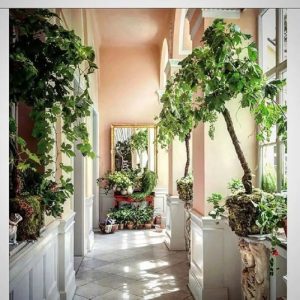
Interior design principles can be seamlessly applied to outdoor spaces with edible plants, creating a harmonious blend of nature and aesthetics. By incorporating edible plants into the design, you not only enhance the visual appeal but also bring practicality and sustainability to the space.
Blending Indoor and Outdoor Aesthetics
- Create a seamless transition by using similar color palettes and textures both indoors and outdoors.
- Integrate potted edible plants into your interior decor, such as in the kitchen or dining area, to maintain a cohesive look.
- Choose furniture and accessories that complement the natural elements of the plants, like wooden accents or earthy tones.
- Consider installing a living herb wall indoors to bring the outdoors in and create a functional and visually appealing feature.
Incorporating Natural Elements
- Edible plants not only add beauty to the space but also improve air quality and create a sense of tranquility.
- Use natural materials like stone, wood, and rattan in your interior design to complement the organic feel of the plants.
- Experiment with different plant varieties to create focal points and enhance the overall ambiance of the space.
- Consider the practicality of the edible plants and their care requirements when incorporating them into your interior design scheme.
In conclusion, Garden Ideas with Edible Plants presents a harmonious blend of beauty and utility, offering a fresh perspective on gardening that transforms outdoor spaces into vibrant, productive areas. Dive into this exciting realm of possibilities and let your garden flourish with creativity and purpose.
Query Resolution
How can I create functional spaces in my garden?
To create functional spaces in your garden, you can designate areas for specific purposes such as dining, relaxation, or gardening activities. Incorporating edible plants into these spaces adds both beauty and functionality.
What are some innovative garden designs that include edible plants?
Innovative garden designs with edible plants can include vertical gardens, raised beds, or companion planting arrangements that optimize space and enhance productivity.
How can interior design principles be applied to outdoor spaces with edible plants?
Applying interior design principles to outdoor spaces with edible plants involves creating cohesive color schemes, considering furniture placement, and ensuring a seamless transition between indoor and outdoor aesthetics.