Kicking off with Indoor Garden Ideas for Small Spaces, this opening paragraph is designed to captivate and engage the readers, providing insights on how to transform limited spaces into vibrant indoor gardens. From plant varieties to vertical gardening techniques, this guide offers creative solutions for small space gardening enthusiasts.
Garden Ideas for Small Spaces
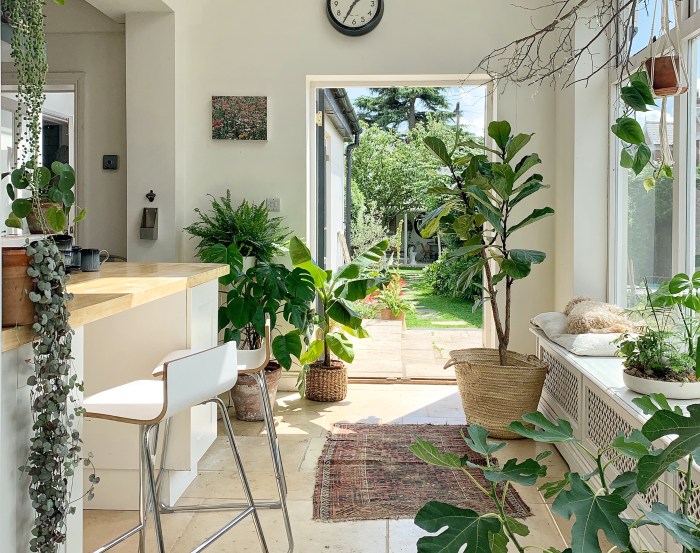
Creating an indoor garden in limited spaces can be a fun and rewarding project. Here are some innovative ideas to help you make the most of your small space and bring some greenery indoors.
Best Plants for Small Spaces
When it comes to indoor gardening in small spaces, choosing the right plants is crucial. Opt for plants that thrive indoors and don’t require a lot of space to grow. Some great options include:
- Spider plants: These easy-to-care-for plants are perfect for hanging baskets or shelves.
- Succulents: These low-maintenance plants come in a variety of shapes and sizes, making them ideal for small spaces.
- Pothos: Pothos plants are known for their trailing vines, making them great for adding a touch of green to any room.
Vertical Gardening Techniques
Vertical gardening is a fantastic way to maximize space in a small indoor garden. By utilizing walls, shelves, or hanging planters, you can create a lush garden even in the tightest of spaces. Some techniques to try include:
- Wall-mounted planters: Install shelves or hanging planters on your walls to grow herbs, flowers, or small vegetables vertically.
- Hanging gardens: Create a stunning display by hanging planters from the ceiling or on a curtain rod to add greenery without taking up floor space.
- Trellises and vertical gardens: Use trellises or vertical garden systems to grow climbing plants like vines, tomatoes, or peas in a small footprint.
Functional Spaces
Creating an indoor garden in small spaces can also serve a functional purpose by integrating greenery into existing spaces like kitchens or living rooms. This not only adds a touch of nature to your interior but also provides practical benefits.
Seating Areas
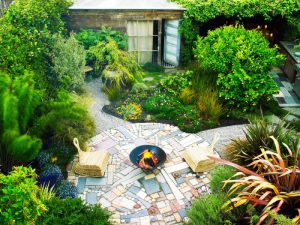
- Consider placing a small bistro set or a couple of comfortable chairs within your indoor garden space to create a cozy seating area.
- Opt for lightweight and movable furniture pieces that can easily be rearranged to accommodate different activities or gatherings.
- Use weather-resistant materials for outdoor seating areas that can withstand the indoor garden environment.
Benefits of Functional Garden Spaces
- Improved air quality: Indoor plants help purify the air by absorbing toxins and releasing oxygen, creating a healthier environment.
- Stress reduction: Being surrounded by greenery has been shown to reduce stress levels and promote relaxation, making your small space a peaceful retreat.
- Enhanced aesthetics: Integrating a garden into functional spaces adds visual interest and a natural element to your home decor, enhancing the overall ambiance.
Interior Design
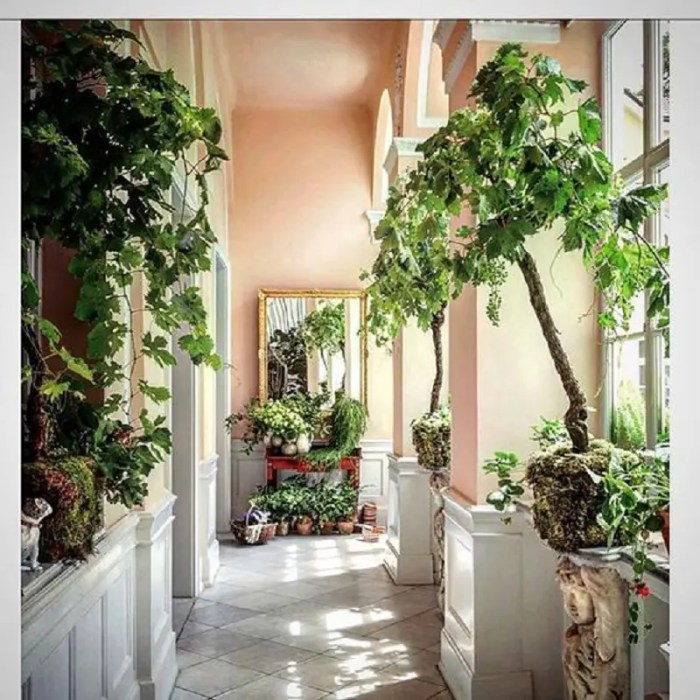
Indoor gardens can be seamlessly integrated into various interior design styles to create a harmonious and visually appealing space. By carefully considering elements such as lighting, color schemes, textures, planters, shelving, and decorative elements, you can enhance the overall aesthetic of your indoor garden.
Aligning Indoor Garden Aesthetics with Interior Design Styles
When aligning your indoor garden with different interior design styles, it’s essential to consider the overall theme of your space. For example, a minimalist interior design can benefit from sleek, modern planters and clean lines, while a bohemian style may embrace a mix of textures and eclectic plant choices. By choosing plants and accessories that complement your existing decor, you can create a cohesive look that enhances the overall ambiance of the room.
Enhancing Visual Appeal with Lighting, Color Schemes, and Textures
Lighting plays a crucial role in showcasing your indoor garden. Consider incorporating natural light through windows or skylights, as well as using artificial lighting to highlight specific plants or create a cozy ambiance. Additionally, selecting a color scheme that complements both your plants and interior design can tie the space together. Experiment with textures through different plant varieties, pots, and decorative elements to add depth and visual interest to your indoor garden.
Utilizing Planters, Shelving, and Decorative Elements
Planters, shelving, and decorative elements can act as both functional and aesthetic pieces in your indoor garden design. Choose planters that not only suit your plant’s needs but also add visual appeal to the space. Utilize shelving to create vertical gardens or display a collection of plants. Incorporate decorative elements such as artwork, sculptures, or mirrors to enhance the overall ambiance of your indoor garden.
In conclusion, Indoor Garden Ideas for Small Spaces showcases the beauty and functionality of incorporating greenery into compact living areas. Whether aligning garden aesthetics with interior design styles or maximizing space with vertical gardening, this guide inspires readers to create their own lush oasis in small spaces.
FAQ Section
Which plant varieties thrive indoors in small spaces?
Plants like pothos, spider plants, and succulents are ideal for indoor spaces with limited light and space.
How can I incorporate seating areas within an indoor garden setup?
Consider using small benches, stools, or hanging chairs to create cozy seating spots amidst your greenery.
What are some tips for aligning indoor garden aesthetics with different interior design styles?
You can match modern interiors with sleek planters, bohemian styles with eclectic plant arrangements, and minimalist spaces with simple, elegant plants.