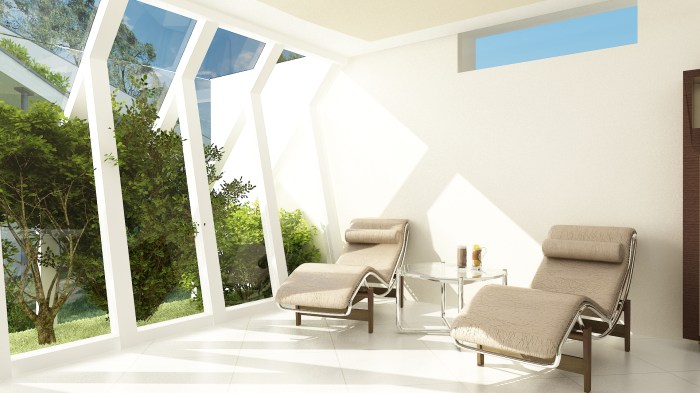
Embark on a journey through the world of Interior Design with Natural Light, where the magic of sunlight transforms ordinary spaces into extraordinary havens of tranquility and functionality. From the subtle play of light and shadow to the strategic use of windows and reflective surfaces, this exploration promises to illuminate your understanding of how natural light can truly elevate the aesthetic and practical aspects of interior design.
Discover the art of harnessing sunlight to create inviting atmospheres, increase productivity, and infuse a sense of harmony into your living spaces. Join us as we delve deeper into the realm of Interior Design with Natural Light and unlock the secrets to a brighter, more beautiful home.
Functional Spaces with Natural Light

Natural light plays a crucial role in enhancing the functionality and aesthetics of various spaces, including homes and work environments. Its impact goes beyond just illumination, influencing mood, productivity, and overall well-being.
Workspaces
In workspaces, natural light can significantly boost productivity and focus among employees. Exposure to natural light has been linked to improved mood, reduced stress levels, and increased alertness. By strategically placing workstations near windows or incorporating glass partitions, natural light can create a more inspiring and energizing work environment.
Living Areas
In living areas, optimizing natural light can improve the functionality of the space by creating a welcoming and cozy atmosphere. Consider using light-colored curtains or blinds to allow more light to enter the room. Positioning furniture near windows can also help maximize natural light and create a more open and spacious feel.
Kitchens
Natural light is essential in kitchens to enhance visibility and create a bright and inviting space for cooking and meal preparation. Installing skylights or larger windows can improve the overall functionality of the kitchen by providing ample light for tasks such as chopping, cooking, and cleaning. Additionally, incorporating reflective surfaces like stainless steel appliances can help bounce light around the room.
Garden Ideas to Maximize Natural Light
When designing a garden, maximizing natural light can have numerous benefits. Not only does it help plants thrive, but it also creates a welcoming and vibrant outdoor space for relaxation and enjoyment.
Benefits of Incorporating Natural Light
- Enhances plant growth by providing essential nutrients for photosynthesis.
- Creates a warm and inviting atmosphere for outdoor activities and gatherings.
- Reduces the need for artificial lighting, saving energy and reducing electricity costs.
Tips for Selecting Plants
- Choose sun-loving plants such as roses, lavender, and succulents for areas with direct sunlight.
- Opt for shade-tolerant plants like ferns, hostas, and impatiens for areas with less sunlight.
- Consider the specific light requirements of each plant species to ensure they thrive in their designated spots.
Creating a Balance Between Shade and Sunlight
- Strategically place trees, shrubs, or pergolas to provide shade in areas that receive intense sunlight during the day.
- Use trellises or arbors to create dappled sunlight for plants that prefer partial shade.
- Experiment with different garden layouts to find the perfect balance between shade and sunlight for your plants and outdoor living space.
Interior Design Techniques for Natural Light
When it comes to interior design, natural light plays a crucial role in creating a welcoming and bright space. By incorporating certain techniques, you can maximize the amount of natural light in a room, making it feel more spacious and inviting.
Light Colors and Materials
One effective way to amplify natural light in a room is by using light colors and materials. Opting for light-colored walls, ceilings, and floors can help bounce natural light around the space, making it feel brighter and larger. Additionally, choosing materials with reflective properties, such as glass or mirrors, can further enhance the distribution of natural light.
Furniture Placement
The placement of furniture in a room can significantly impact the amount of natural light that filters through. Avoid blocking windows or light sources with bulky furniture pieces. Instead, opt for low-profile or transparent furniture that allows light to pass through. By strategically positioning furniture to allow for maximum light exposure, you can create a well-lit and airy atmosphere in your space.
As we conclude this enlightening discussion on Interior Design with Natural Light, it’s evident that the interplay between architecture and sunlight can redefine the way we experience our surroundings. By embracing the warmth and vitality of natural light, we not only enhance the aesthetics of our spaces but also nurture a deeper connection to the natural world. Let the radiance of sunlight guide your design choices and brighten your life in ways you never thought possible.
FAQ Overview
How can natural light impact the functionality of a space?
Natural light can enhance the functionality of a space by reducing the need for artificial lighting, creating a more inviting atmosphere, and even boosting mood and productivity.
What are some common plants that thrive in well-lit garden areas?
Plants like succulents, lavender, and sunflowers are great choices for gardens that receive ample natural light.
How does furniture placement affect the amount of natural light in a room?
Strategic furniture placement can either obstruct or enhance natural light flow in a room. Opting for open, airy layouts can maximize sunlight penetration.


