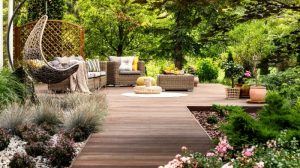
Outdoor functional spaces are transforming how we live, blending indoor comfort with the beauty of the natural world. From intimate patios to expansive decks, these areas offer opportunities for relaxation, entertainment, and connection with nature. This exploration delves into the design principles, practical considerations, and sustainable practices that contribute to creating truly functional and enjoyable outdoor environments.
We will examine various design styles, materials, and the crucial integration of these spaces with indoor living areas. The discussion will cover everything from selecting appropriate paving and furniture to incorporating smart technology and sustainable practices to enhance both aesthetic appeal and long-term usability. Ultimately, the goal is to help you create an outdoor space that perfectly complements your lifestyle and enhances your well-being.
Defining Outdoor Functional Spaces
Outdoor functional spaces are designated areas within a property designed to serve a specific purpose, enhancing both the aesthetic appeal and practical usability of the outdoor environment. These spaces are carefully planned and often incorporate elements of landscaping, hardscaping, and furniture to create a cohesive and inviting atmosphere. Unlike simply an open yard or garden, a functional space is actively designed for a particular activity or set of activities.Outdoor functional spaces are distinguished from other outdoor areas by their intentional design and dedicated purpose.
A simple lawn, for example, is primarily for visual appeal or passive recreation, whereas a patio designed for al fresco dining has specific features like a built-in grill, seating, and perhaps even a pergola for shade. The key difference lies in the level of planning and the integration of elements to facilitate a specific function.
Types of Outdoor Functional Spaces and Their Characteristics
Different types of outdoor functional spaces cater to various needs and preferences. Entertainment spaces might include fire pits, outdoor kitchens, and ample seating for gatherings. Dining spaces prioritize comfortable seating, a dining table, and potentially a built-in grill or pizza oven. Relaxation spaces focus on comfort and tranquility, incorporating features like comfortable seating, shade structures, and perhaps a water feature or calming landscaping.
The design elements and materials used significantly influence the overall atmosphere and functionality of each space. For example, a minimalist modern design using concrete and steel might create a sleek and sophisticated entertainment area, while a rustic design using natural stone and wood might be better suited for a relaxing retreat.
Examples of Outdoor Functional Spaces
The following table illustrates the diversity of outdoor functional spaces, highlighting their primary function, typical materials used, and associated maintenance requirements.
| Outdoor Space | Primary Function | Materials Used | Maintenance Requirements |
|---|---|---|---|
| Patio | Dining, entertaining, relaxing | Concrete, pavers, stone, wood decking | Regular sweeping, occasional sealing or staining (depending on material) |
| Deck | Entertaining, relaxing, dining | Wood, composite decking | Regular cleaning, occasional staining or sealing, pest control (for wood) |
| Pergola | Shade, relaxation, dining | Wood, metal | Regular cleaning, occasional painting or staining (for wood) |
| Outdoor Kitchen | Cooking, entertaining | Brick, stone, stainless steel, concrete countertops | Regular cleaning, occasional maintenance of appliances |
Design Elements of Outdoor Functional Spaces
Creating engaging and functional outdoor spaces requires careful consideration of various design elements. The successful integration of natural elements, thoughtful lighting choices, and the appropriate selection of materials are key to achieving both aesthetic appeal and practical usability. This section explores these crucial aspects of outdoor space design.
Incorporating Natural Elements
The inclusion of natural elements significantly enhances the appeal and functionality of outdoor spaces. Plants, for instance, offer shade, privacy, and a calming aesthetic. Strategically placed trees can reduce glare and create intimate seating areas. Flowering shrubs and herbaceous borders add bursts of color and texture, transforming a simple patio into a vibrant garden room. Water features, such as fountains or ponds, introduce a soothing auditory element and can even help to moderate microclimates.
The gentle sound of running water masks unwanted noise pollution and creates a tranquil atmosphere. The visual appeal of water, whether still or moving, is undeniable, adding a dynamic and reflective quality to the overall design. Careful consideration should be given to the selection of plants and water features to ensure compatibility with the overall design and the local climate.
The Role of Lighting
Lighting plays a crucial role in both the ambiance and functionality of outdoor spaces. Proper lighting enhances safety by illuminating pathways and steps, preventing accidents. Layered lighting schemes, incorporating ambient, task, and accent lighting, create a dynamic and inviting atmosphere. Ambient lighting, such as string lights or pathway lighting, provides a soft, overall illumination. Task lighting, such as spotlights on seating areas or work surfaces, ensures adequate light for specific activities.
Accent lighting, strategically placed spotlights highlighting architectural features or plants, adds visual interest and depth. The choice of light source is also important; warm-toned lighting creates a welcoming and relaxed atmosphere, while cooler-toned lighting can be more energizing. Consider using energy-efficient LED lighting to minimize environmental impact and reduce long-term costs.
Impact of Materials
The choice of materials significantly impacts the aesthetic and durability of outdoor functional spaces. Wood, a classic and naturally beautiful material, offers warmth and texture. However, it requires regular maintenance to protect it from the elements. Stone, known for its durability and timeless appeal, provides a sense of permanence and sophistication. Different types of stone offer varied textures and colors, allowing for a wide range of design options.
Metal, particularly powder-coated steel or aluminum, offers a modern and sleek aesthetic and is highly resistant to corrosion and wear. The combination of these materials can create a unique and visually interesting space. For example, a patio might combine the warmth of wood decking with the durability of stone paving and the clean lines of metal furniture. The selection of materials should be guided by both aesthetic preferences and the specific demands of the outdoor environment.
Key Design Principles for Outdoor Spaces
Careful planning is essential to ensure both functionality and aesthetic appeal. The following design principles can help guide the creation of a successful outdoor space:
- Define clear zones: Establish distinct areas for dining, lounging, and other activities.
- Maximize natural light: Orient the space to take advantage of sunlight and minimize shade.
- Incorporate weather protection: Provide shade structures or covered areas to protect from sun and rain.
- Consider accessibility: Ensure easy access for all users, including those with mobility limitations.
- Choose durable and weather-resistant materials: Select materials that can withstand the elements and require minimal maintenance.
Functionality and Usability in Outdoor Spaces
Creating truly functional and usable outdoor spaces requires careful consideration of various factors impacting user experience. Effective design goes beyond aesthetics; it prioritizes accessibility, comfort, and ease of use for all individuals, regardless of their abilities. This section will explore common design challenges, innovative accessibility solutions, material comparisons, and paving material considerations to achieve optimal outdoor space functionality.
Common Challenges and Solutions in Designing User-Friendly Outdoor Spaces
Three prevalent challenges in designing user-friendly outdoor spaces are inadequate accessibility, insufficient weather protection, and poor spatial organization. Addressing these issues is crucial for creating inclusive and enjoyable environments.
- Challenge: Inadequate Accessibility: Many outdoor spaces lack features accommodating individuals with mobility limitations, visual impairments, or other disabilities. This results in exclusion and limits the enjoyment of the space for a significant portion of the population.
- Solution: Incorporating ramps with appropriate gradients instead of steps, providing tactile paving for wayfinding, ensuring sufficient space for wheelchair maneuvering, and implementing clear signage with contrasting colors and large fonts can greatly enhance accessibility.
- Challenge: Insufficient Weather Protection: Lack of shade, inadequate shelter from rain, and exposure to harsh winds can significantly reduce the usability of an outdoor space, particularly during inclement weather.
- Solution: Strategically placed pergolas, awnings, or strategically planted trees provide shade. Covered seating areas offer protection from rain. Windbreaks, such as strategically placed hedges or walls, can mitigate the effects of strong winds, making the space more comfortable and usable year-round.
- Challenge: Poor Spatial Organization: Poorly planned layouts can lead to congestion, confusion, and inefficient use of space. This is especially problematic in high-traffic areas or spaces with multiple functions.
- Solution: Clear pathways, well-defined zones for different activities (e.g., dining, lounging, playing), and appropriate furniture placement contribute to a well-organized and user-friendly space. Consider the natural flow of movement and ensure adequate spacing between elements to avoid overcrowding.
Innovative Design Solutions Enhancing Accessibility and Usability for People with Disabilities
Innovative design solutions significantly improve accessibility and usability for people with disabilities. These solutions go beyond basic compliance with accessibility standards, aiming to create truly inclusive spaces.
- Tactile paving systems: These systems use textured surfaces to guide visually impaired individuals, providing clear pathways and warnings of changes in elevation or obstacles. Different textures communicate different messages, enhancing safety and independence.
- Adjustable height furniture: Furniture with adjustable height settings caters to individuals with varying mobility needs, allowing them to find comfortable seating positions. This is particularly beneficial for users of wheelchairs or those with limited mobility.
- Sensory gardens: Designed to stimulate multiple senses, sensory gardens provide engaging experiences for individuals with disabilities. These gardens may incorporate textured plants, fragrant flowers, and water features to create a multi-sensory environment.
Functionality and Material Comparison of Outdoor Furniture
The choice of furniture significantly impacts the functionality and longevity of an outdoor space. Different materials and styles offer distinct advantages and disadvantages.
- Wrought iron: Durable and aesthetically pleasing, wrought iron furniture offers excellent weather resistance but can be heavy and require regular maintenance to prevent rust.
- Teak wood: Naturally weather-resistant and aesthetically appealing, teak wood furniture is a popular choice, but it can be expensive and requires occasional oiling to maintain its finish.
- Aluminum: Lightweight, rust-resistant, and relatively inexpensive, aluminum furniture is a practical option, although it may not be as aesthetically pleasing as other materials.
- Plastic: Lightweight, affordable, and easy to maintain, plastic furniture is a practical choice for high-traffic areas, but it may not be as durable or aesthetically pleasing as other options. Recycled plastic options are increasingly popular for their sustainability.
Comparison of Paving Materials for Outdoor Functional Spaces
The selection of paving materials significantly influences the aesthetics, durability, and maintenance requirements of an outdoor space. Various options offer different pros and cons.
| Paving Material | Pros | Cons |
|---|---|---|
| Concrete | Durable, cost-effective, versatile | Can crack, requires sealing, can be visually monotonous |
| Brick | Durable, aesthetically pleasing, permeable options available | Can be expensive, requires regular maintenance, can be uneven |
| Stone | Durable, aesthetically pleasing, natural look | Can be expensive, requires professional installation, can be slippery when wet |
| Permeable paving | Reduces runoff, environmentally friendly, aesthetically pleasing | Can be more expensive, may require more maintenance |
Maintenance and Sustainability of Outdoor Functional Spaces
Creating and maintaining outdoor functional spaces requires careful consideration of both aesthetics and longevity. The choices made during the design and construction phases significantly impact the long-term maintenance needs and environmental footprint of the space. Understanding these implications is crucial for creating beautiful, functional, and sustainable outdoor areas.
Maintenance Requirements for Different Materials
The maintenance demands of outdoor functional spaces vary greatly depending on the materials used. Durable, weather-resistant materials generally require less upkeep, while others may necessitate regular cleaning, repairs, or replacement. For example, natural wood decking, while aesthetically pleasing, requires regular sealing and occasional sanding to prevent weathering and decay. Conversely, composite decking materials often require minimal maintenance, only needing occasional cleaning.
Similarly, concrete patios might need occasional sealing to prevent cracking and staining, whereas paving stones might require occasional re-pointing to maintain structural integrity. Metal furniture, particularly wrought iron, might need regular painting or powder coating to prevent rust, whereas aluminum or stainless steel options are significantly more resistant to corrosion. Choosing materials based on their expected lifespan and maintenance requirements is crucial for long-term cost-effectiveness.
Environmentally Friendly Design Choices and Sustainable Practices
Sustainable practices are increasingly important in the design and construction of outdoor spaces. This involves selecting materials with low environmental impact, such as recycled materials or sustainably harvested timber. Minimizing waste during construction is also vital; this can be achieved through careful planning and the efficient use of materials. Incorporating native plants into landscaping reduces the need for water-intensive irrigation and promotes biodiversity.
The use of permeable paving materials helps manage stormwater runoff, reducing the burden on municipal drainage systems. Finally, selecting energy-efficient outdoor lighting solutions, such as solar-powered lights, reduces energy consumption and light pollution.
Recommendations for Minimizing Environmental Impact
To minimize the environmental impact of outdoor functional spaces, several recommendations should be followed.
- Prioritize the use of recycled and reclaimed materials whenever possible.
- Source materials from local suppliers to reduce transportation emissions.
- Employ water-wise landscaping techniques, such as drought-tolerant plants and efficient irrigation systems.
- Install permeable paving to allow rainwater to infiltrate the ground naturally.
- Utilize energy-efficient outdoor lighting and appliances.
- Minimize waste generation during construction and disposal.
- Select durable and long-lasting materials to reduce the need for future replacements.
Long-Term Cost Implications of Material and Design Choices
The initial cost of materials and construction is only one aspect of the overall cost of an outdoor functional space. The long-term cost implications of material and design choices must also be considered. For example, while low-cost materials might seem attractive initially, they may require more frequent maintenance and replacement, ultimately leading to higher overall costs. Durable, high-quality materials, although initially more expensive, can significantly reduce long-term maintenance and replacement costs.
Similarly, sustainable design choices, such as the use of energy-efficient lighting and water-wise landscaping, can lead to significant savings on utility bills over time. A well-planned and thoughtfully designed outdoor space, using sustainable and durable materials, represents a more cost-effective solution in the long run. For instance, a concrete patio, while having a higher upfront cost compared to a wooden deck, often requires less maintenance and has a much longer lifespan, thus proving more economical over several decades.
Creating successful outdoor functional spaces requires a thoughtful approach that balances aesthetics, functionality, and sustainability. By carefully considering design elements, material choices, and the integration with indoor living, you can craft an outdoor haven that enhances your lifestyle and provides years of enjoyment. Remember that the key lies in understanding your needs, embracing creative solutions, and prioritizing environmentally conscious practices.
The result? A beautiful, functional, and sustainable outdoor space you’ll cherish for years to come.
Common Queries
What are the best materials for outdoor furniture?
Durable materials like teak, wrought iron, and powder-coated aluminum are popular choices for their weather resistance and longevity. Consider your climate and desired aesthetic when making a selection.
How can I make my outdoor space more private?
Strategic planting of trees and shrubs, the use of screens or fences, and thoughtful placement of outdoor furniture can all contribute to creating a more private outdoor space.
What are some low-maintenance options for outdoor paving?
Concrete, pavers, and composite decking are relatively low-maintenance options that require minimal upkeep. Consider sealed concrete or pavers to reduce staining.